• Services
    LLM
    AI & ML
    Digital Healthcare
    Data Science
    DevOps
  • Products
    Jackalope
    EyeAI
  • Industries
    Healthcare
    Agriculture
    EdTech / LMS
    Retail / E-commerce
    Manufacturing
  • Resources
    Blog
    Case Studies
    Expert Guides
  • Company
    About us
    Careers
  • Contact us
logo
Services
LLMAI & MLDigital HealthcareData ScienceDevOps
Industries
HealthcareAgricultureEdTech / LMSRetail / E-commerceManufacturing
Case StudiesAbout UsBlogCareers
Our contacts
+380(66)54-32-579
sales@sciforce.tech

Get monthly digest of innovations

This site is protected by reCAPTCHA and the Google Privacy Policy and Terms of Service apply.
Social Media:
Privacy Policy © 2026 Sciforce
5.0
Video Processing Optimized Efficiency and Slashed Costs cover

From Slow to Pro: How Automated Video Processing Optimized Efficiency and Slashed Costs

Published: November 5, 2024
# Media
# AI / ML
# DevOps
For an AI-powered automated video processing pipeline handling high upload volumes, we developed a serverless video processing solution with AWS Fargate and ECS, using Python to orchestrate event-driven workflows. This smart solution AI-powered media workflows, reducing resource waste, and enabling automated media workflows for hands-free video processing across formats—empowering the client to meet demand peaks effortlessly. The client operates a video processing platform that specializes in converting, compressing, and optimizing video content using machine learning for video optimization for media companies and individual creators. Their platform supports multiple formats enabling users to prepare videos for seamless online distribution across various devices and platforms. The platform is designed to handle large volumes of video content, ensuring high-quality processing while meeting the

Challenge

The Hidden Costs of LLMs and How Smart Companies Turn Them Into Value

Find out more with SciForce free whitepaper

As the demand for video content automation increased, the client's manual video processing system struggled to keep up. Key challenges included:

1. Continuous Server Operation

The platform's servers were running around the clock, even when no videos were being processed, leading to inefficient resource usage instead of cost-optimized video processing with on-demand cloud resources. This meant resources were being used unnecessarily during quiet periods, leading to higher cloud costs and wasted energy — a common issue in media platforms without serverless architecture for reducing cloud costs.

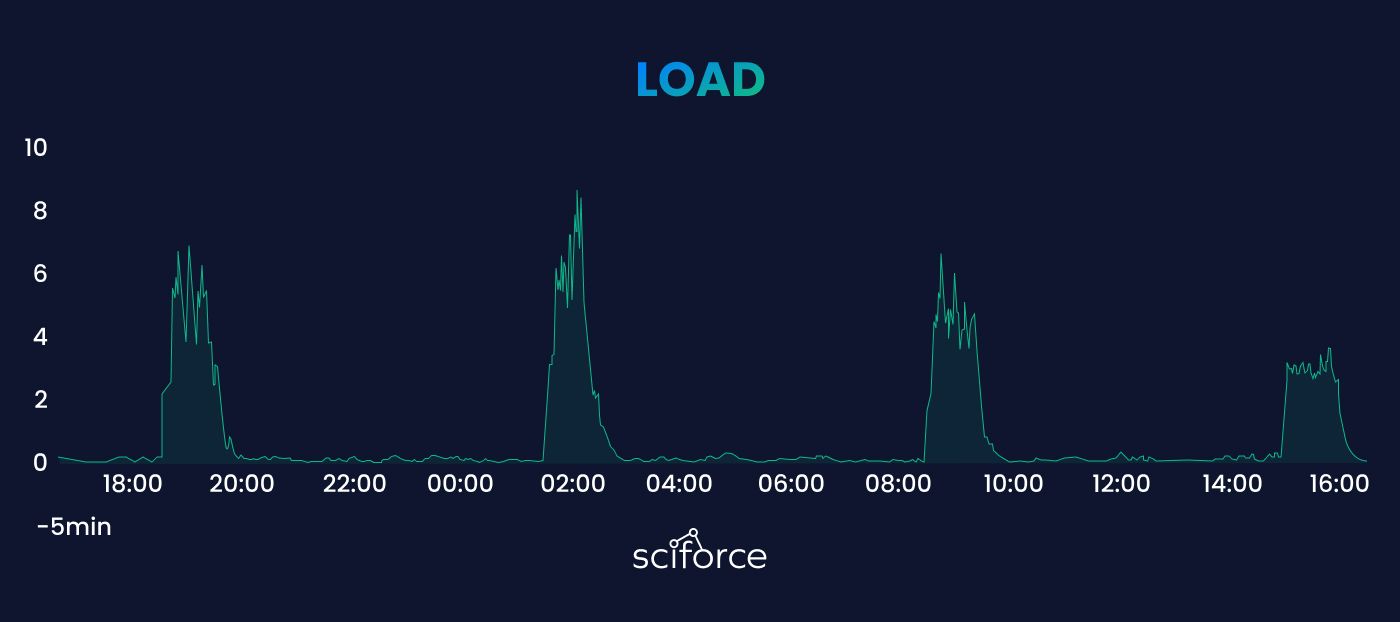
2. Handling Video Spikes
01-video.jpg

When many video files were uploaded at once, especially during busy periods like product launches or events, the system couldn’t process them fast enough. This led to delays, with files waiting in line for conversion, causing clients to experience slower video processing and content distribution.

3. Resource Wastage

During slow periods, like weekends or late nights, servers ran without being fully used, wasting resources like CPU and memory. Despite little activity, they still consumed power and cloud resources, driving up costs. During busy times, the same servers were overloaded, causing slowdowns and delays. This imbalance made it difficult to manage resources efficiently.

4. High Maintenance Burden

The system needed constant manual monitoring, with staff having to check video processing, restart failed tasks, and ensure smooth operation. For example, during busy times, staff had to step in to fix errors and clear processing delays. This regular manual involvement increased labor costs and slowed down the workflow, as the system couldn’t run efficiently without human intervention.

Solution

To address the client’s challenges, we implemented an AI-powered automated video processing pipeline with several key components:

1) Python automation in AWS:

A custom Python-based dispatcher was developed to manage incoming video files, enabling event-driven video processing using containers and Python. It detected new uploads, categorized the videos, and automatically triggered the appropriate processors to handle tasks like conversion and optimization. This eliminated the need for manual intervention in the upload process.

2) Amazon ECS Cluster (Elastic Container Services):

We used Amazon ECS to create a scalable video infrastructure, enabling serverless video processing with AWS Fargate and ECS that dynamically scales based on demand. By using containerized computing resources, the system could automatically adjust resource allocation, ensuring that video processing tasks were handled efficiently, regardless of volume spikes.

3) Digital Media Platform Optimization:

The entire video processing workflow was automated. Containers were only started when needed, and once processing was completed, the resources were automatically released — enabling cost-optimized video processing with on-demand cloud resources. This ensured that computational resources were only consumed when real-time media optimization tasks were present, significantly reducing operational costs.

4) AWS Fargate vs. EC2 Virtual Machines:

Initially, the option of using EC2 virtual machines for container management was considered. However, AWS Fargate was chosen due to its execution model, which allowed for better cost-effectiveness and scalability. With Fargate, the platform operated with serverless DevOps architecture, further streamlining resource management and improving system flexibility. ECS supports both paths — our sports medicine CV platform took the EC2-backed route instead, where IaC and rolling deployments mattered more than serverless scaling.

Features

Automated Video Processing:

The platform automatically detects when video files are uploaded and processes them without manual intervention. This ensures efficient handling of video tasks regardless of file size or timing.

Python-Based Dispatcher:

A custom-built Python dispatcher manages incoming video files and triggers the appropriate processors based on the type of content. This ensures the right processing actions are taken for each video.

Resource Allocation Automation:

Computational resources are automatically allocated and released. The system only uses resources when needed, reducing operational costs by preventing unnecessary server use during idle periods.

Error Handling and Restart:

If a processing job fails, the system automatically detects the failure, restarts the task, and logs the issue. This minimizes manual troubleshooting and ensures smoother processing.

Development Journey

1. System Architecture Design:

  • The team designed the system architecture around a microservices approach.
  • Python was chosen as the primary programming language for its compatibility with various libraries and cloud services.
  • Docker was selected for containerization to ensure seamless deployment and scalability within the Amazon ECS Cluster.
  • We used AWS Fargate to implement efficient execution, enabling automatic real-time scaling for media apps.

2. Python-Based Dispatcher Development:

The dispatcher was built to act as the central controller for processing incoming video files. It was designed to:

  • Monitor video uploads from predefined sources.
  • Trigger appropriate processing tasks based on the video type and format.
  • Handle asynchronous uploads by queuing tasks efficiently and distributing workloads among containers.
  • It also incorporated error detection and auto-restart mechanisms to manage failed tasks.

3. Containerization of Video Processing:
02_video.jpg

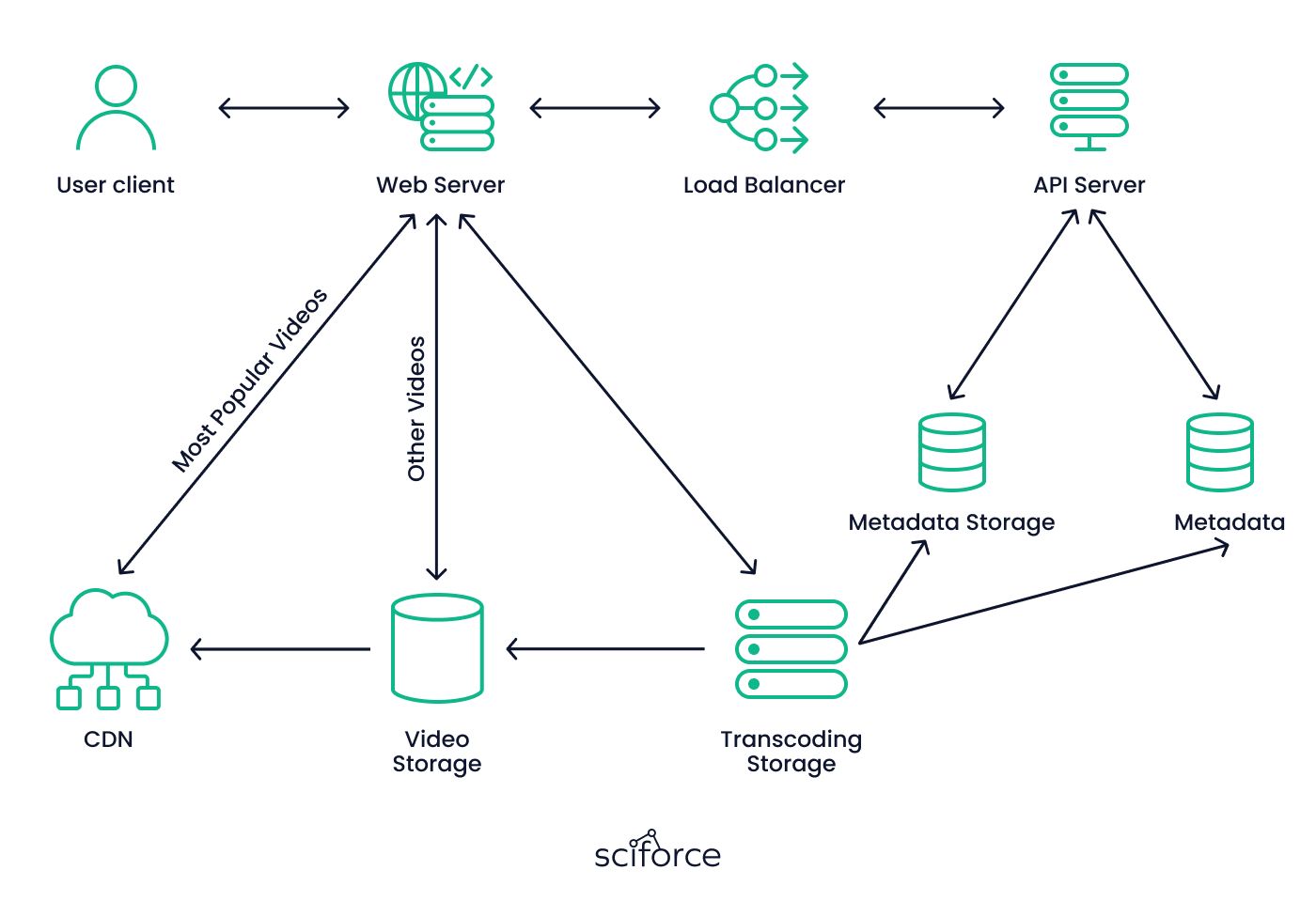
The video processing pipeline was broken down into modular components and containerized using Docker. Each container was set up to handle a specific processing task:

  • Video Conversion according to the company's algorithms.
  • Compression for different output sizes based on device compatibility.
  • Containers were configured to be stateless, ensuring that they could be spun up or terminated based on demand without data loss.

4. Setting up Amazon ECS and AWS Fargate:

  • The containers were deployed on Amazon ECS, leveraging its scaling capabilities to automatically manage workload distribution.
  • AWS Fargate was used for running the containers. This setup ensured:
  • Automatic scaling based on the number of incoming video tasks.
  • Efficient resource management, as containers were spun up only when needed and shut down immediately after processing, minimizing idle time.
  • The use of Fargate eliminated the need for manual server management, enabling serverless architecture to reduce cloud costs in media platforms while maintaining dynamic scalability.

5. Database and Logging Setup:

  • We used a relational database (e.g., Amazon RDS) to store metadata about processed videos, task status, and error logs.
  • Centralized logging was implemented using Amazon CloudWatch, which provided real-time monitoring and allowed for detailed analysis of processing performance and error trends.

6. Load Testing and Optimization:

  • The system was subjected to load testing using simulated video spikes to verify its capability to handle high volumes of uploads.
  • Based on testing results, the container settings were optimized to adjust the CPU, memory allocation, and parallel task handling, ensuring faster processing times during peak loads.

7. Deployment with CI/CD Pipeline:

  • The deployment process was automated using CI/CD for video platforms with AWS CodePipeline, supporting DevOps automation for media and video platforms. Taking that automation across multiple cloud providers simultaneously is a different challenge — our multi-cloud DevOps case shows what a unified AWS/GCP/Azure workflow looks like when GitOps enforces the source of truth across all three.
  • DevOps in the media industry allowed for seamless integration of new features, bug fixes, and optimizations, maintaining system stability while enabling ongoing improvements.

Technical Highlights

  • Python
  • Docker
  • AWS Fargate
  • Amazon ECS
  • Amazon RDS
  • Amazon CloudWatch
  • FFMPEG
  • AWS CodePipeline

Impact

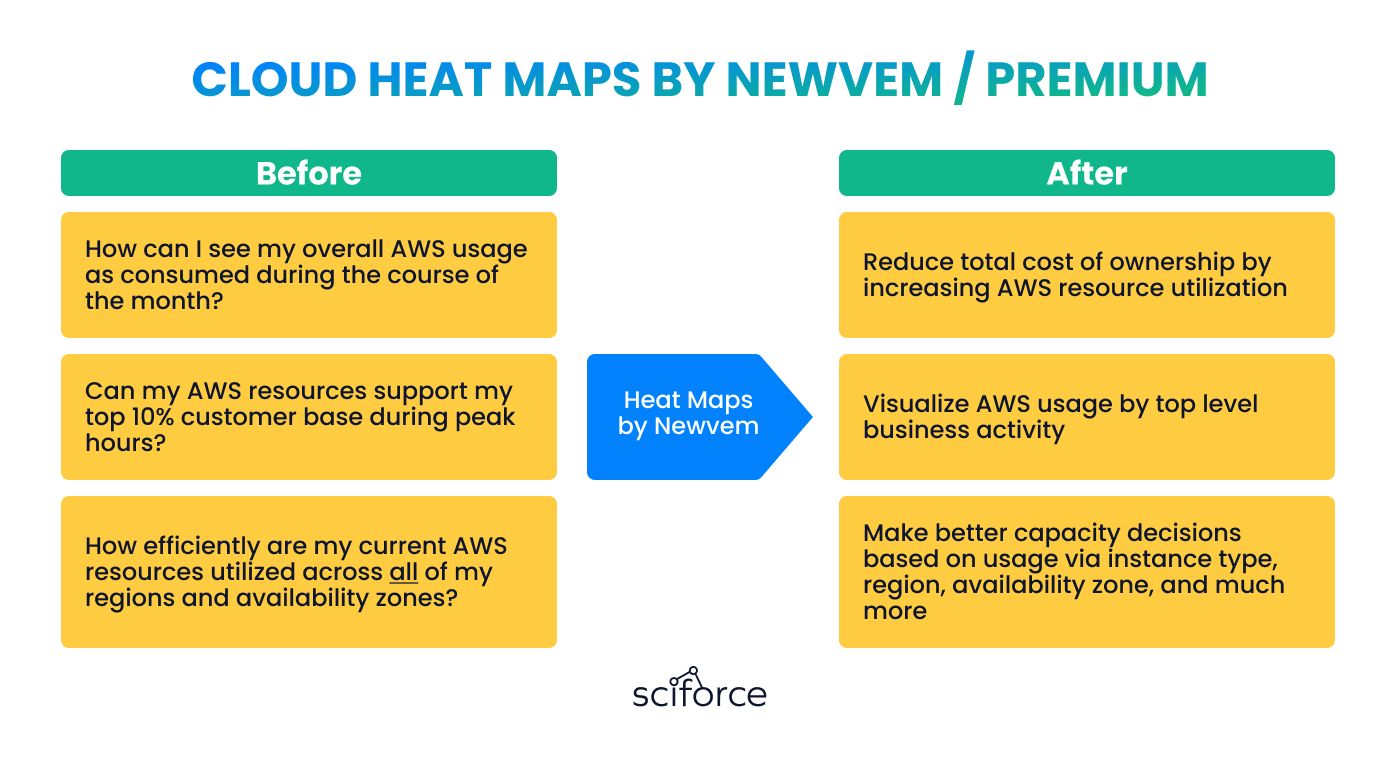
The implementation of the automated video processing solution delivered significant improvements across multiple areas, addressing the client's challenges effectively. Key results included:
03_video.jpg

The implementation of the automated video processing solution delivered significant improvements across multiple areas, addressing the client's challenges effectively. Key results included:

1. Increased Efficiency

  • The automated pipeline reduced manual intervention, allowing the system to handle video uploads, conversions, and processing automatically.
  • The Python-based dispatcher managed incoming video tasks efficiently, triggering appropriate processors without delays.
  • As a result, video processing time decreased by over 40%, enabling faster content delivery to clients.

2. Cost Reduction

  • With the integration of AWS Fargate and Amazon ECS, the system only used computing resources when tasks were active, eliminating idle resource consumption.
  • The switch from EC2 virtual machines to Fargate’s serverless model reduced overall infrastructure costs by approximately 50%, demonstrating cost-optimized video processing with on-demand cloud resources.
  • Automatic scaling ensured that additional containers were spun up during high-demand periods and shut down when tasks were completed, minimizing unnecessary expenses through serverless video processing with AWS Fargate and ECS.

3. Improved Scalability

  • The use of containerization allowed for seamless scaling, with the system now capable of handling sudden spikes in video uploads without performance issues.
  • During busy periods, the platform successfully processed up to 200% more concurrent video uploads, meeting demand peaks like product launches or events with no delays or bottlenecks.

4. Enhanced Reliability

  • The system’s built-in error detection and auto-restart mechanisms ensured high reliability. Failed jobs were automatically retried, reducing downtime and ensuring consistent processing.
  • Centralized logging with Amazon CloudWatch improved monitoring, enabling faster response times to any unexpected issues and providing detailed performance insights for further optimization.

5. Reduced Maintenance Effort

  • The fully automated video tech innovation system reduced the need for constant manual oversight, cutting labor costs related to monitoring and troubleshooting by approximately 30%.
  • The platform’s automated operation allowed the client’s staff to focus on strategic tasks rather than routine maintenance, boosting overall productivity.

RELATED CASE STUDIES

View all Case Studies
AI-Powered Ad ResizingAI-Powered Ad Resizing: Intelligent Detection, Adjustment, and Multi-Format Adaptation

The client needed a solution to streamline the resizing of digital advertisements across multiple platforms. The challenge stemmed from the increasing number of advertising channels: social media, related websites, and advertising platforms: where companies needed to place their ads. To address this, the project aimed to develop an AI-powered tool that could automate the resizing of dynamic HTML5 templates. The goal was to minimize the time spent by creative developers on resizing, preparing assets, and making manual adjustments. The tool was expected to work with minimal input, scaling a single template to generate multiple ad sizes while maintaining quality. The product is designed for companies that need to create and distribute digital ads across multiple platforms, including social media, related websites, and advertising platforms such as Amazon Advertising.

# Media
# AI / ML
Improving the Production Infrastructure of E-commerce Solutions for an International Publishing HouseImproving the Production Infrastructure of E-commerce Solutions for an International Publishing House

This case study examines the e-commerce performance optimization of a major international publishing house's infrastructure, which suffered from significant performance issues due to an outdated single-server setup. Our job was to focus on improving page load time and reliability in high-traffic websites by enhancing server capacity and introducing deployment automation. Our client is a publisher with presence in both the US and the UK, producing a wide array of print and digital content. It specializes in creating and distributing books, journals, and various educational materials.

# Media
# DevOps