We were commissioned to create an AI in entertainment analytics system focused on event performance prediction using machine learning and sentiment data, delivering several analytical outputs:
Find out more with SciForce free checklist
Likelihood of an event market success presented as a percentage using predictive modeling for event success, when comparing the following elements to historical data points::
Social media analytics for events, including followers broken down by channel and categories:
Audience segmentation by sentiment, supporting audience segmentation and sentiment modeling for ticket sales forecasting:*
Reviews published in social media by writers that work in newspapers:
Channel, categories, and sentiment break down of social media followers for each type of event from both sides of participant and organizer.
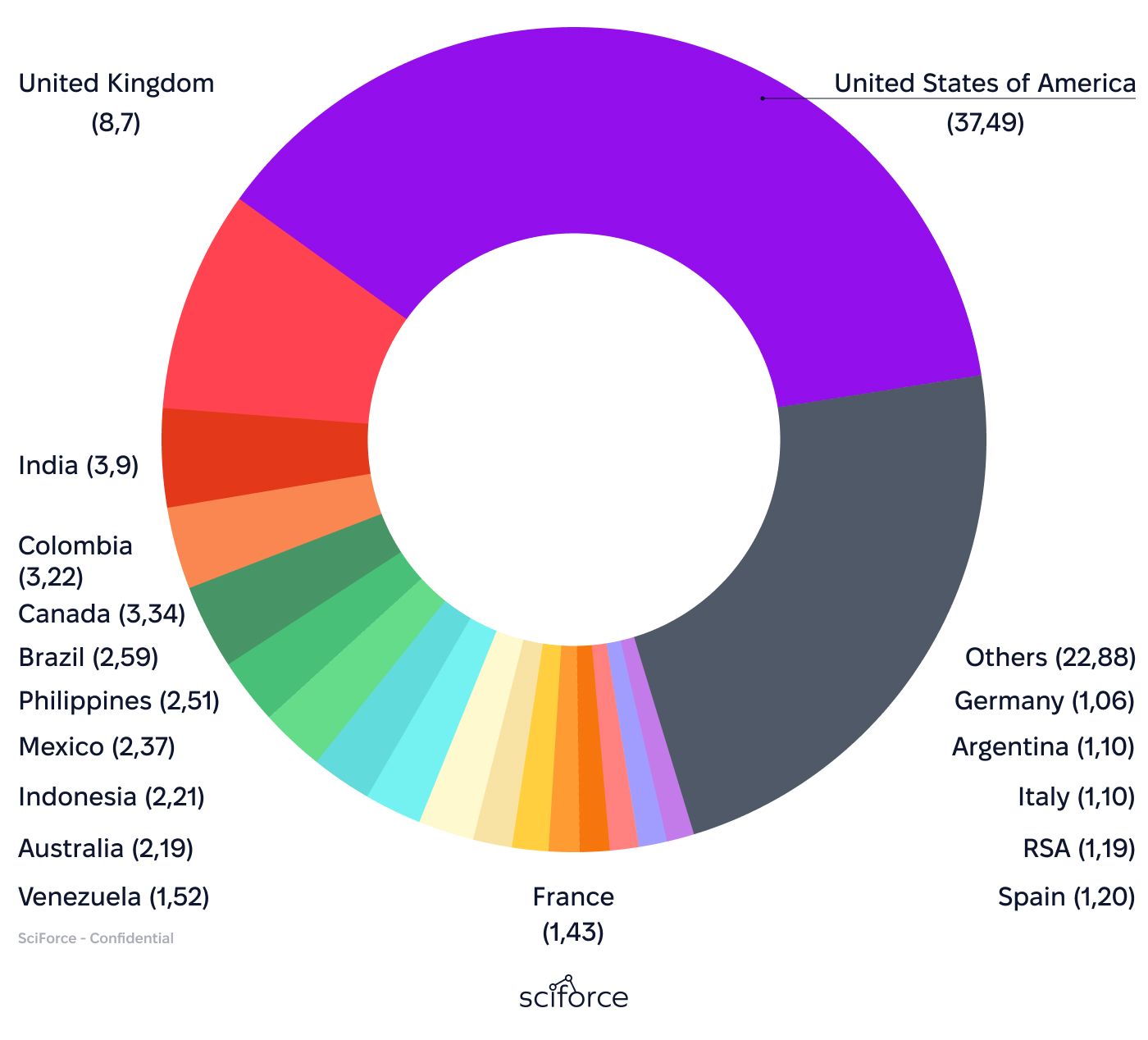
Analysis of the geographic data to find out how many participants traveled to the event and from what region.
Analysis of economic data that correlates with the willingness of venue goers to spend money to attend an event, supporting ticket price optimization
Real-time event data analytics based on social comments, sentiment, and tone for Analysis of event visitors based on social comments, sentiment, and tone for audience behavior prediction.
To fulfill the task, we developed a system based on machine learning for ticket sales, delivering predictive analytics for ticket sales and event planning with explainable AI-driven outputs.
The model of choice for the event performance prediction model, a boosted regression trees ensemble, is a supervised ensemble model used for regression tasks. Regression trees and random forests provide an easy way of explaining each prediction. In this way, we can trace the decision and find the most critical inputs and their importance scores for each case. Another output of the model, together with predictive analytics pipelines, is a list of contributions for each input.
The development of the product was a multi-stage process that combined several technologies for different subtasks within an AI-powered event planning pipeline:
For such subtasks as NLP for audience engagement, including sentiment analysis, text categorization, entities detection, and adding news from Discovery News Collection, we used the following tools:
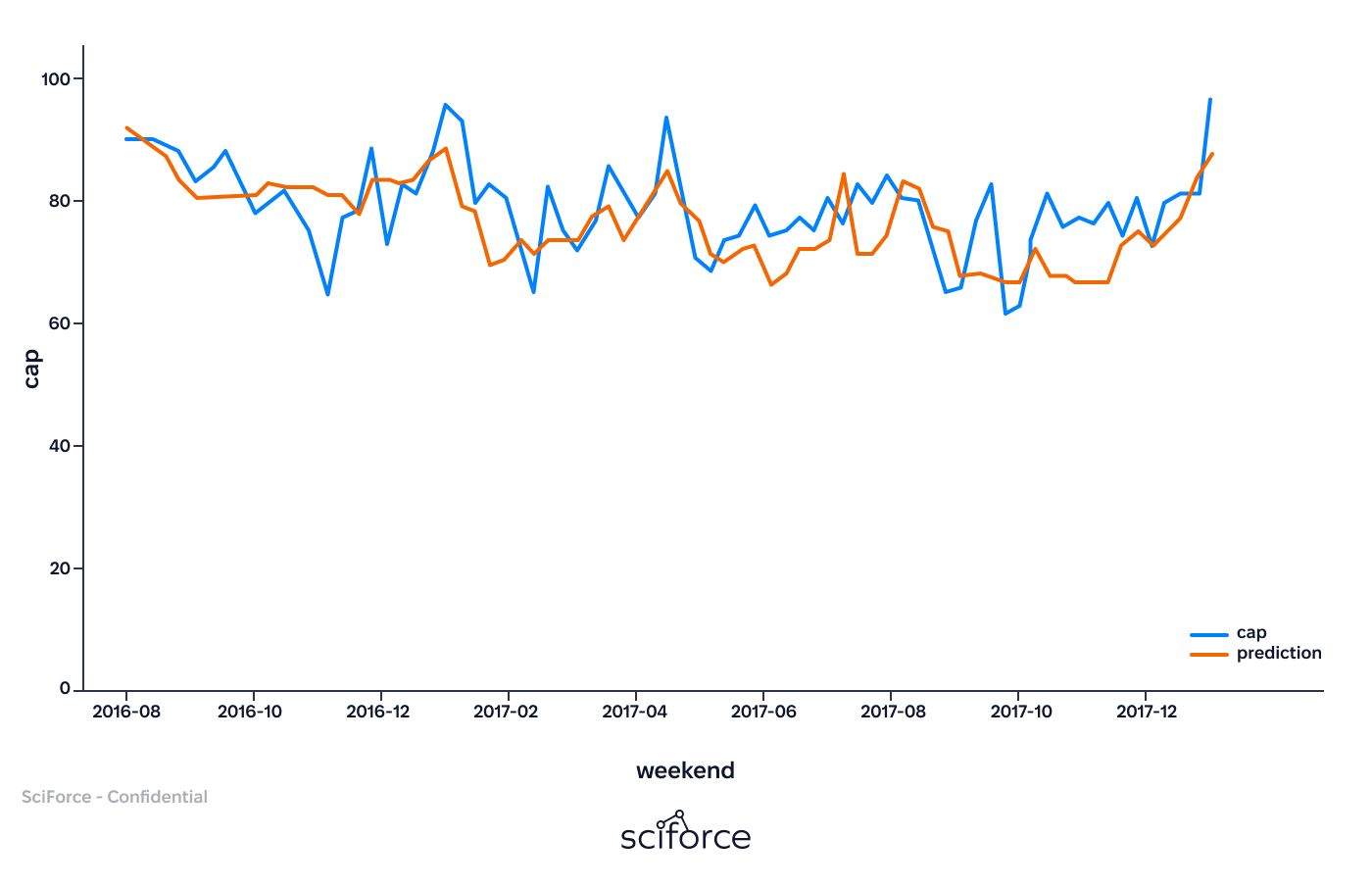
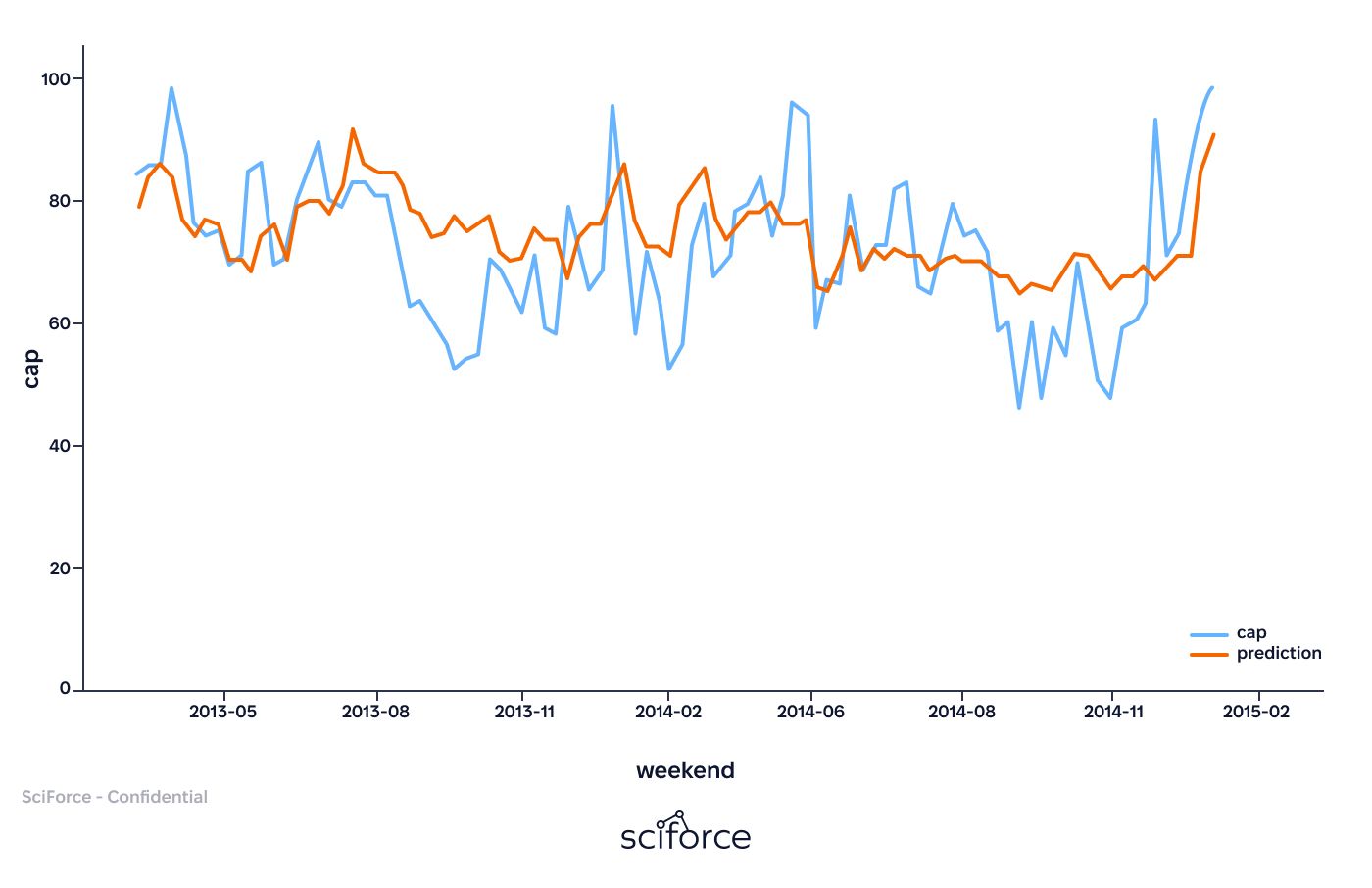
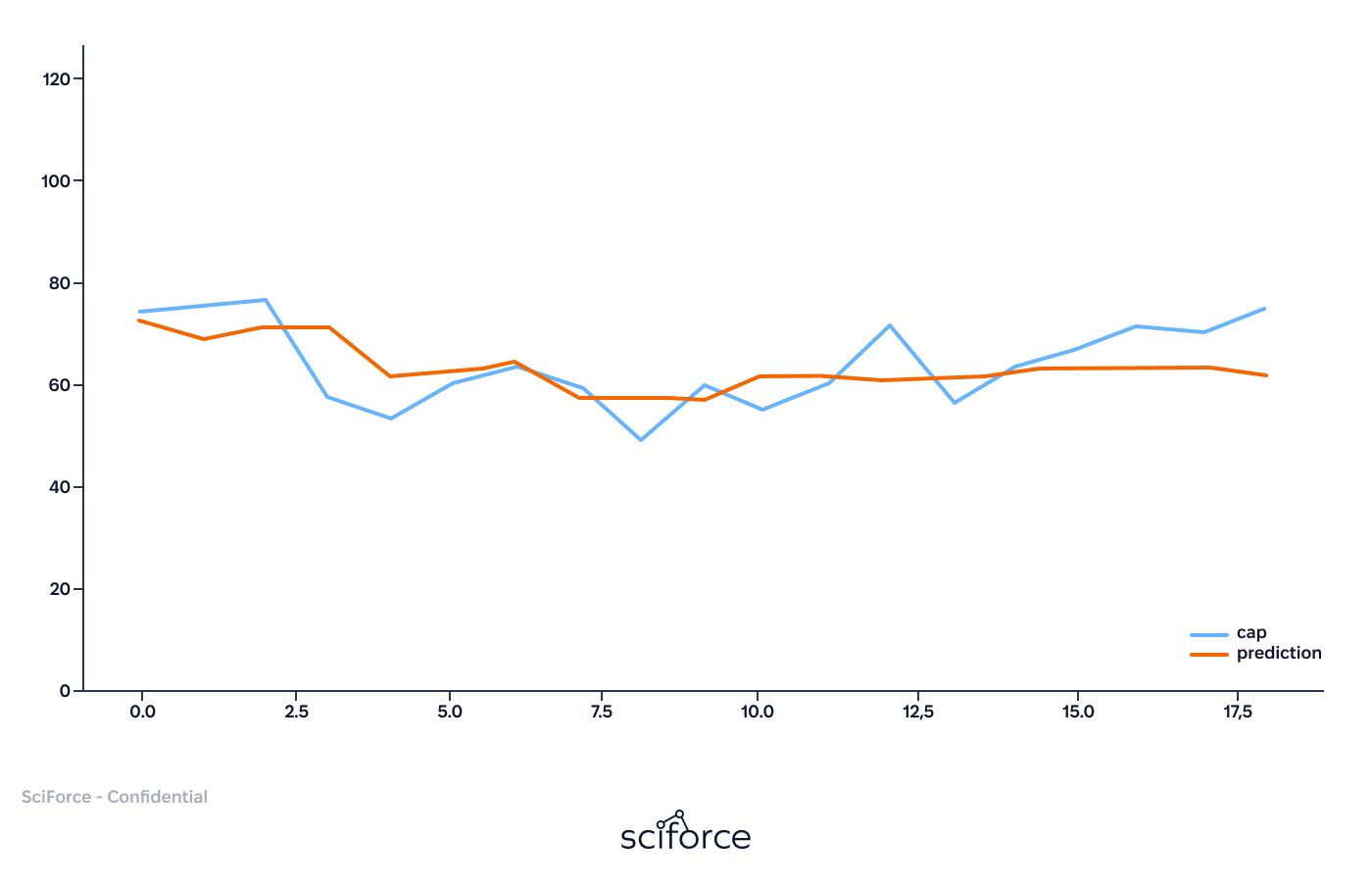
Below we show an example of data-driven event forecasting enabled by AI-powered event analytics combining historical, social, and economic data, where the orange line represents the system prediction and the blue line shows actual numbers. The broader landscape of predictive modeling approaches across industries is covered in our predictive analytics article.